The ML for HEP library
Blog
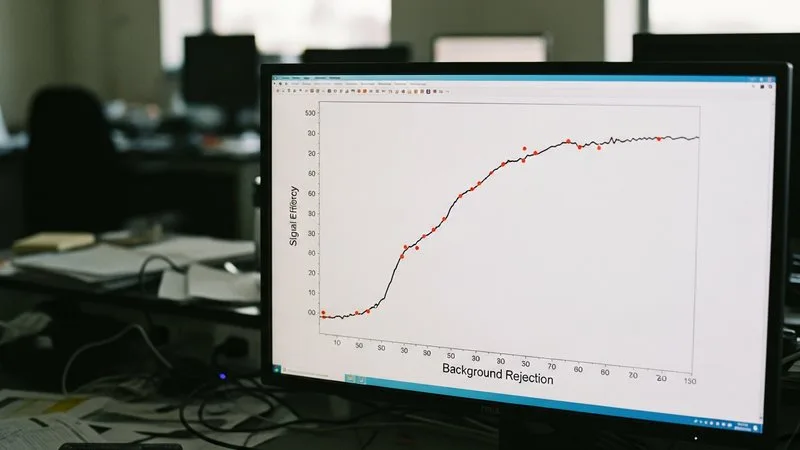
ROC Curves, Efficiency and Purity: The Same Idea in Two Languages
The ROC curve is the efficiency-versus-purity trade-off you already reason about, drawn on axes a computer scientist chose. How to read and use it.

Should You Use Machine Learning in Your Analysis?
A calm, practical guide for the physicist deciding whether machine learning belongs in their analysis at all: when it helps, when it does not, and how to start small.
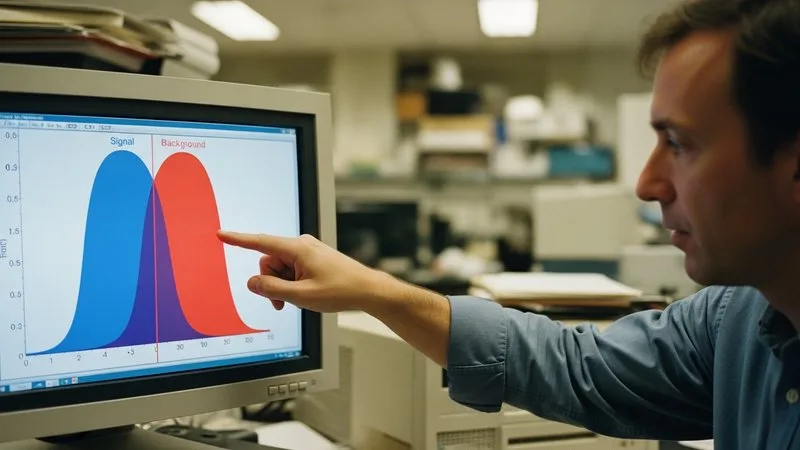
Signal vs Background: Machine-Learning Classification in HEP
Separating a rare signal from a huge background is a classification problem. How machine learning frames it, and why it often beats rectangular cuts.
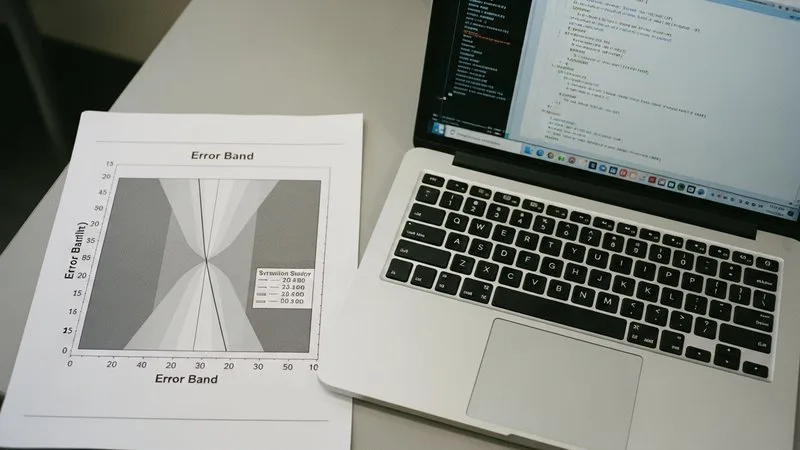
Systematic Uncertainties and Machine Learning in HEP
A classifier score is only useful if you can propagate systematics through it. How to think about uncertainty on an ML-based selection.

TMVA vs scikit-learn vs XGBoost: Choosing an ML Toolkit for HEP
Three toolkits dominate machine learning in particle physics. Their trade-offs for a physicist deciding where to start a new analysis.
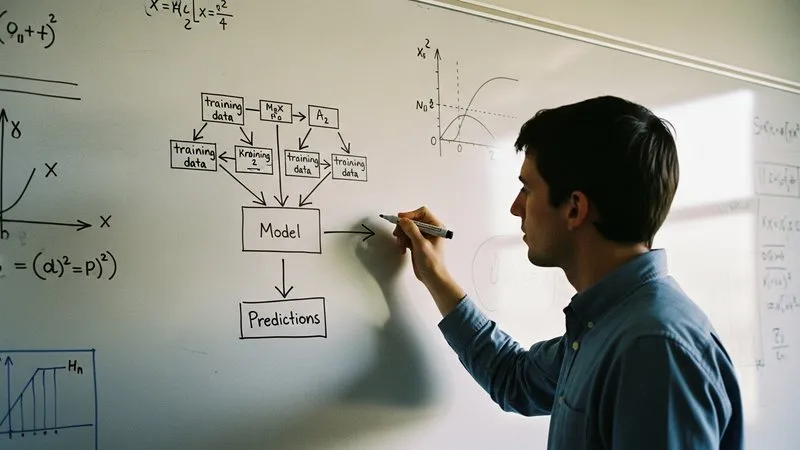
What Is Machine Learning? A Physicist's Plain-English Guide
No jargon and no hype. Machine learning explained for a physicist who has never used it, through the calibration and fitting problems you already know.

When Your Fit Memorizes the Noise: A Warning Every Physicist Knows
The most common way machine learning goes wrong is one you have already met: a model that fits the data perfectly, then falls apart on new data. Here is why, in plain terms.
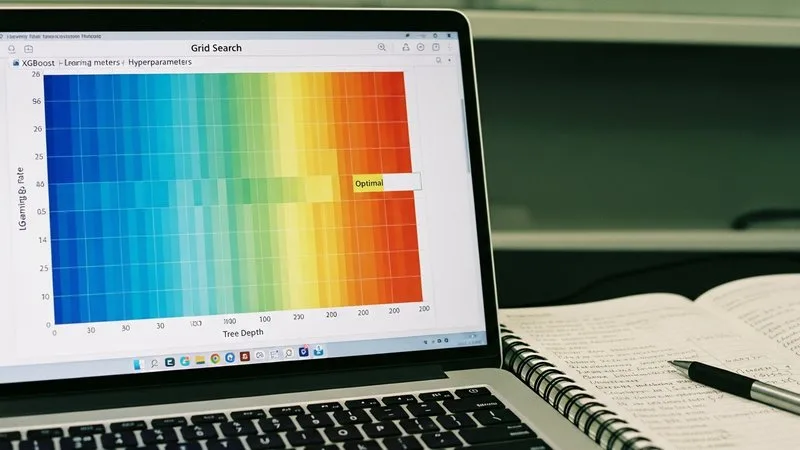
XGBoost Hyperparameter Tuning for Physics Datasets
Which XGBoost knobs matter for a physics classifier, what each one does, and a sane order to tune them without fooling yourself.
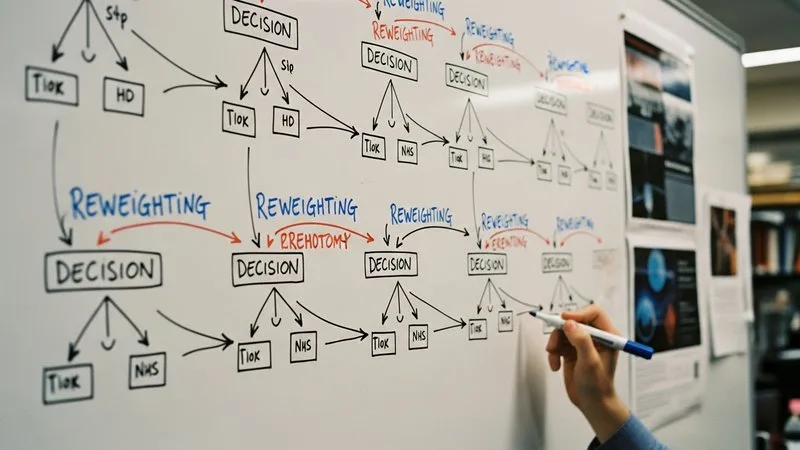
AdaBoost vs Gradient Boosting: How Combining Weak Learners Beats Any Single Tree
AdaBoost and gradient boosting are the two foundational algorithms behind boosted decision trees. This post explains how each works, what makes them different, and why an ensemble of weak trees outperforms a single deep one.
Five Mistakes Analysis Reviewers Catch in Boosted Decision Tree Analyses
Analysis review committees see the same boosted decision tree mistakes repeatedly. Here are the five most common ones: overtraining, data-MC disagreement, train-measure overlap, biased cut optimisation, and unpropagated systematics.